
Last July, your favorite farms thought they were going out of business.
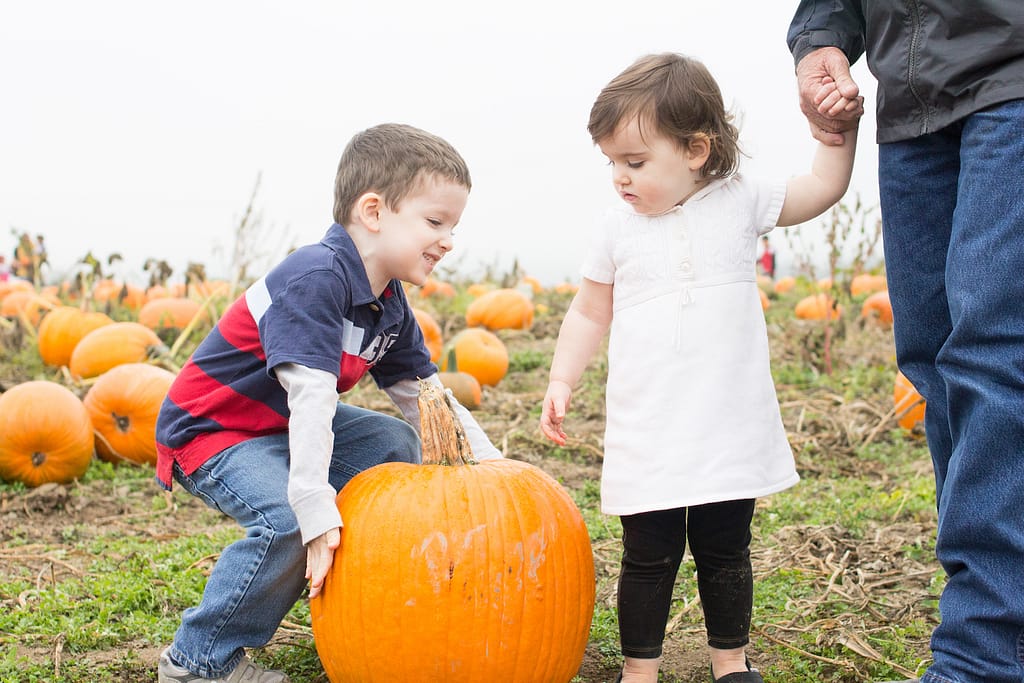
Oregon has some of the strictest agritourism laws in the country. And last summer the Oregon Department of Land Conservation and Development (DLCD) was in the process of making those rules even stricter — until thousands of you wrote letters, made calls, and spoke up. Your voices pushed Governor Kotek to halt the rule-making crisis.
But that was just a temporary reprieve.
Now if you want to continue to enjoy apple cider donuts at your favorite pumpkin patch, it’s time to act again. A new bill is going before the legislature, and the fate of that bill will directly affect the farms your family loves most.
The first week of February, the Oregon legislature will consider HB 4153, a bipartisan bill designed to protect farm stands and agritourism.
What is agritourism?
When you drink hot apple cider on a hayride at Lee Farms, that’s agritourism. When you hunt Easter eggs at Bella Organic, ride the mini train at Hoffman, pet a goat at Triskelee, or take a pickling class at Topaz, that’s agritourism.
And it matters more than most people realize.
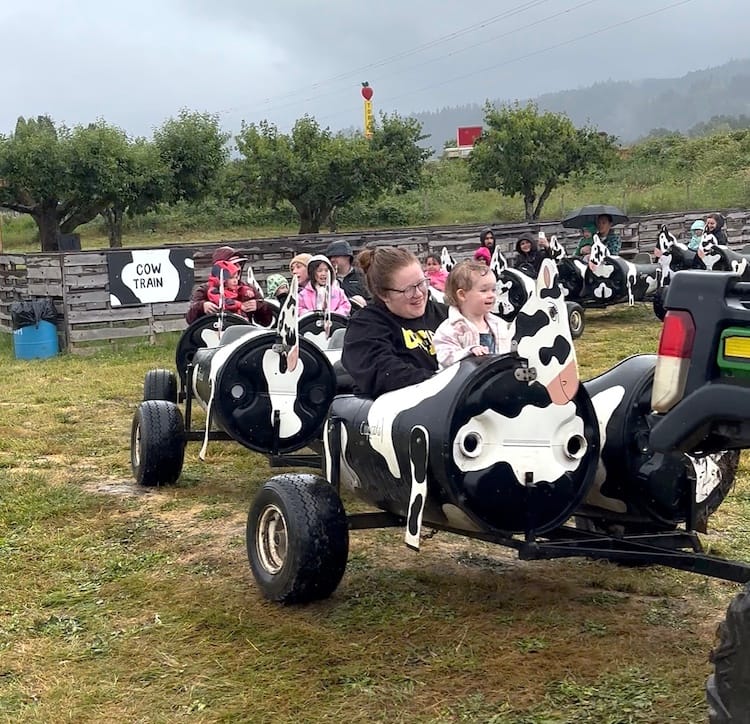
The revenue from these activities is what allows these farms to keep growing the hyperlocal produce you love, like Hood strawberries, Oregon marionberries (the “cabernet of blackberries”), and fresh vegetables you can’t find at the grocery store. When you buy a ticket to a farm to plate dinner or a fall harvest festival, you are helping farmers pay field workers, keep land in production, and afford essential equipment like tractors and irrigation systems.
Why are farms struggling?
Historically, these agritourism activities have been tightly regulated to a degree that would surprise most ordinary Oregonians.
If a farm has a bumper crop of kale — more than their customers can eat before it goes bad — they are penalized for turning that kale into salad and selling it as prepared food. They can sell raw garlic, but roasted garlic counts against them. Even putting up a tent for shade or rain protection can require navigating complicated and costly rules.
These aren’t safety issues. They’re bureaucratic ones — and for small family farms, they can be the difference between surviving and shutting down.
How does HB 4153 help family farms?
HB 4153 modernizes agritourism law.

It allows farms to continue the experiences families already love without costly permits or legal battles. It lets farms install simple play areas so kids can get the wiggles out while parents shop for fresh cucumbers and tomatoes. It means you can sip strawberry-rhubarb lemonade in the shade — on a working farm that’s able to stay in business.
This bill doesn’t change farmland protections. It simply gives small farms the flexibility they need to diversify their income and survive.
What happens if the bill fails?
We’re already losing farms at an alarming rate — one farm per day in the state of Oregon — and these aren’t the massive corporate operations. They’re small, family-run farms.
If HB 4153 fails, and farms can’t diversify their income to stay afloat, we will lose even more. The land will be sold — often to private estate owners or large corporate farms.
And when that happens, the gates close.
There won’t be pumpkin patches to visit. No berry fields to wander. No goats to pet or cider to sip. Not because those things are banned — but because the weight of outdated regulations made it impossible for small farms to survive.
As Jim Abeles, owner of Topaz Farm, puts it, “You don’t bring your family to visit a large grass seed farm.”
How can I help?
There are three easy ways to protect these experiences for generations to come.
- Write your legislators and tell them you support HB 4153 because you love your local agritourism farm. Find your legislator here.
- Share this post! Awareness matters, and so does momentum.
- Want to go the extra mile? Submit written testimony to the legislature remotely, by phone, or in person. It’s like a letter to your legislator, but public, and it can make or break a bill.
Oregon’s farms aren’t just where our food comes from. They’re where memories are made — first hayrides, sticky fingers from apple cider donuts, muddy boots, laughter mingling with goat bleats.
Once those places are gone, we don’t get them back.
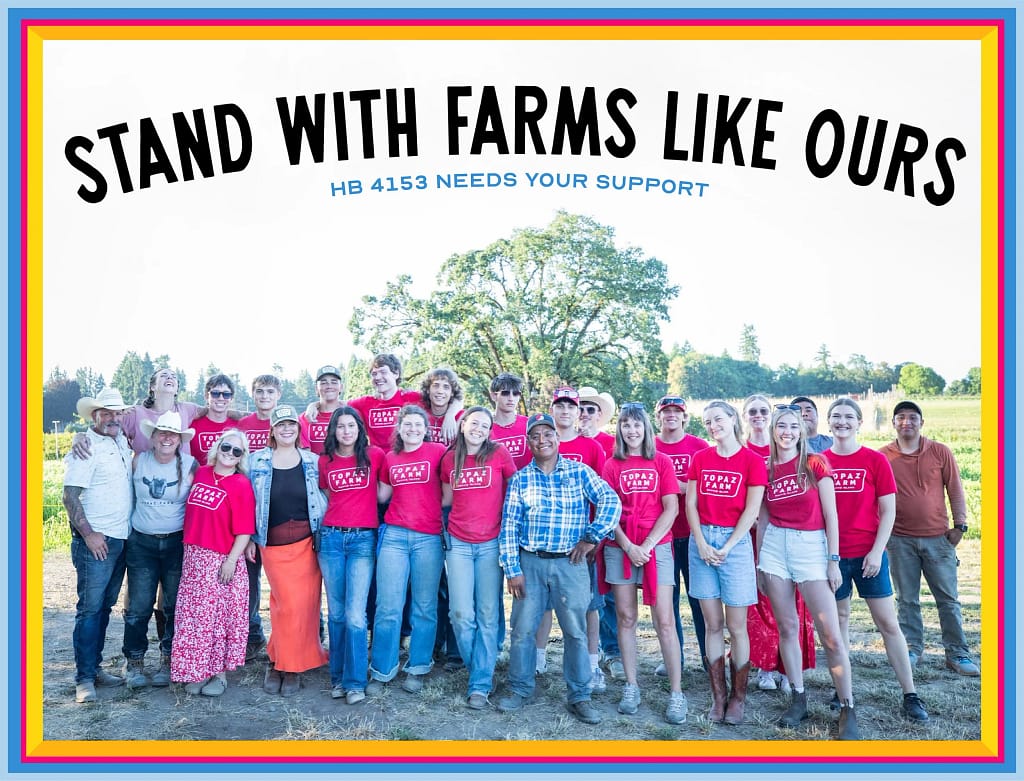
We showed last summer that when Oregonians speak up, leaders listen. There’s so much to be disheartened about these days, but this is a moment when five minutes of your time can actually make a difference. Let’s do it again — not just for the farms we love today, but for the kids who haven’t yet had their first pumpkin patch visit.