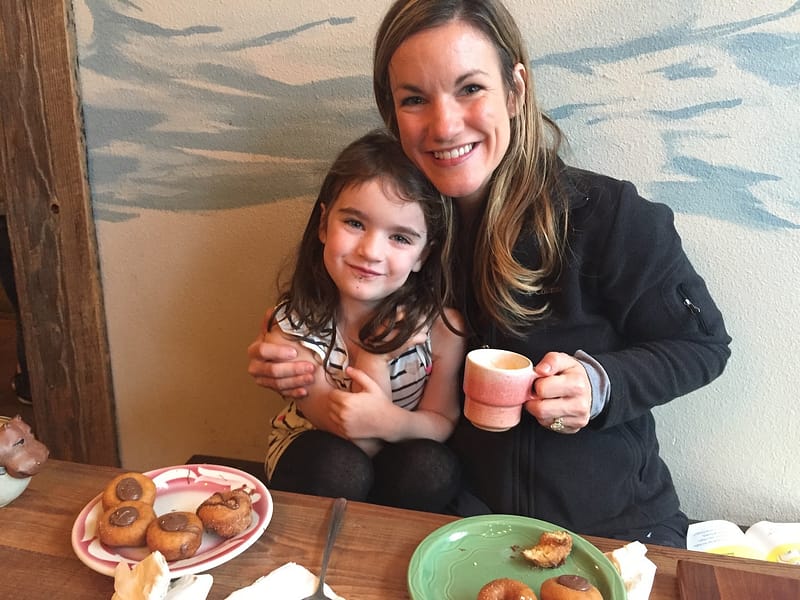
I grew up in a rural area, where wealth made sense to me when I could see it: a piece of land, a rental house, a family business. I also understood The Babysitters Club model: provide a service, get paid. But throw in words like “401(k)” or “Roth IRA” and I felt out of my depth.
Money itself was also pretty abstract. I helped out at my dad’s restaurant and answered the phone at our furniture and plumbing store, but when I needed money for clothes or activities, I just asked my parents. I didn’t have my own money to manage, and I wasn’t practicing what it felt like to earn it, spend it, save it or watch it grow. (Okay, well, I was definitely practicing spending it. Just ask my dad.)
There was nothing wrong with that. I learned the more abstract art of finances in my 20s, just like plenty of people do.
But when I had kids, I knew I wanted something slightly different for them. I wanted financial literacy to feel so familiar that the mechanics of it barely registered. I didn’t want a mutual fund or 529 plan to sound intimidating or mysterious. I wanted those terms to feel more like turn signals and checking your mirrors: things that seem complicated when you first learn them, but become automatic with enough practice.
Start Small: Use Cash to Teach Preschoolers About Money
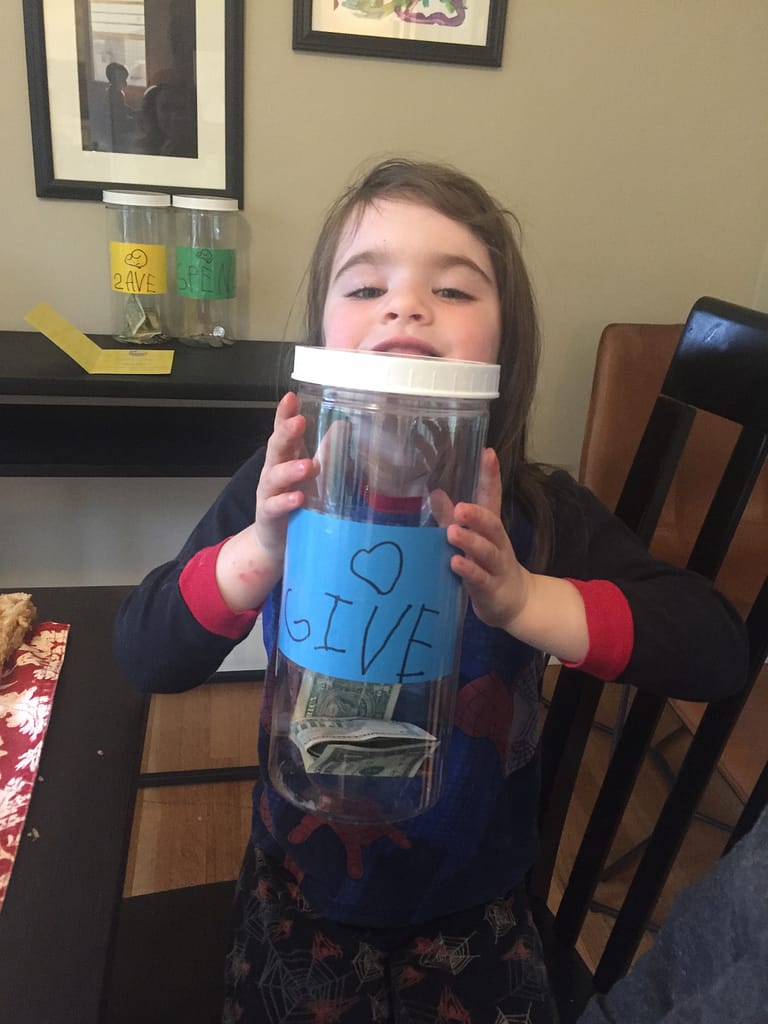
I read Ron Lieber’s book when my kids were in preschool, and we adopted his give-save-spend jar system. The kids got their allowance once a week in cash, and they divided it into marked jars. This was a really easy way to teach them the basics, and the only real hassle was going to the ATM.
Training Wheels: Move Allowance to a Kids Debit Card
Once our kids reached the age of in-app purchases and online shopping, cash became clunky, so we opened Chase First Banking accounts. They’re designed for ages 6–12 and give the kids a way to practice using debit cards and online banking with plenty of guardrails still in place.
We set up automatic allowance transfers, and the kids decided how much went into each financial bucket. My son stuck with simple Save, Spend and Give categories. My daughter had about a dozen, everything from haircuts (she pays for hers since I cut everyone else’s hair in the house) to saving for a car.
We also required them to keep the equivalent of three months of allowance in savings for mistakes and emergencies. When my son accidentally damaged a book at Other Worlds Games and Comics, for example, he immediately offered to pay for it. He used his emergency savings, then directed all of his allowance back into that bucket until he’d replenished it.
Let Kids Make Money Mistakes While the Stakes Are Low
I’m a recovering perfectionist, so watching my kids make bad money decisions is not exactly my favorite, but there’s no better way to learn. When they were younger, if they blew their whole allowance on Robux, I let them. And when they wanted a $20 graphic novel at Powell’s a week later and their account was empty, I didn’t rescue them by buying it. Being broke until the next allowance was a pretty effective teacher.
Make the Family Budget Visible
It’s not that I don’t buy things for my kids. I definitely do. But they know the limit of every budget category in our house (we use and love YNAB for tracking household expenses). Once our “Dining Out” budget is spent for the month, if the kids want Pip’s Donuts, they’re buying. Unless, of course, it’s their birthday, in which case I fully expect them to take advantage of that free dozen.
Take the Mystery Out of Investing for Teens: Fidelity Youth Accounts
At 13, we opened Fidelity Youth Accounts, and this was probably the step I was most excited about because investing is the part of personal finance I’ve always felt least confident about myself. The accounts belong to the kids, so they can manage them in the app, choose investments and actually watch their money grow over time.
My only complaint is that getting money into the accounts can be surprisingly clunky; the kids transfer the money they want to invest to us, we write them a check, they deposit the check in the app, they invest the money. But honestly, that friction has become part of the lesson, too.
I suspected the issue was related to the guardrails of Chase First Banking accounts; they don’t play well with third party apps like Fidelity or YNAB. So we decided that our kids were ready for an upgrade.
Teen Banking: Add More Financial Responsibility
This year we opened Chase High School Checking and savings accounts for the kids, which feel much closer to real adult banking. The kids can move money between checking and savings, get low-balance alerts, and their purchases now sync with YNAB, which makes our household budgeting much easier.

And why were my teenagers willing to sit with a banker for an hour, fill out forms and ask questions? Because Chase was offering them $125 for opening the account and completing five qualifying transactions (this current offer runs through October 14, 2026, if your teen wants some back-to-school cash). Suddenly the paperwork felt very worth their time.
The only annoying wrinkle is that the Chase teen accounts (co-owned with a parent) and Fidelity Youth Accounts (owned by the child) still don’t play nicely together because the ownership doesn’t match, so moving money between them involves the extremely modern financial tool known as a paper check. At least they can deposit it electronically.
Unexpected Bonus: Less Conflict, More Gratitude
I started all of this because I wanted to teach my kids about money. I didn’t realize how much giving them control over their own spending would change our relationship.
It has largely eliminated the Can I have this? No. Please? Mom. Why not? cycle. If our family budget for something is gone, it’s gone. I’m not arbitrarily saying no, and I’m not the bad guy guarding an endless pile of money. The money has already been spent. It’s just the reality, like the sky is blue.
And giving the kids more responsibility for buying their own wants has also made them much more appreciative when someone else buys something for them. My mother-in-law recently bought my daughter a $30 claw clip at a local shop, and I was proud to see how absolutely over the moon with gratitude my daughter was. She knows what $30 can do.
That same awareness showed up during back-to-school shopping this year, when my daughter announced that she wanted to shop at Goodwill. She found a pair of Citizens of Humanity jeans that originally retailed for around $200 for $20 and was positively gleeful about it. She wasn’t thrilled because I had taught her that secondhand shopping was virtuous (though I believe it is). She was thrilled because she understood the value of the deal she had just found.
Why My Kids’ Allowance Isn’t Tied to Their Chores
The allowance isn’t earned at our house; it’s a teaching tool. The kids have chores, they’re just not connected to their baseline allowance, which is something they can count on and plan around. We don’t take it away as punishment, either, the same way I don’t take away their books when they misbehave. I think of allowance as part of their education.
Of course, there are other right ways to do it. I think it’s totally fair to connect the money to work, if that’s the lesson you’re trying to teach. We just saved that lesson for last.
Next Step: First Jobs and Paychecks
The next step in my kids’ financial education is learning to earn money themselves. They’ve done odd jobs for neighbors and we occasionally pay for work we’d otherwise hire someone else to do. But real jobs come with more discomfort and less flexibility: a schedule, a boss, coworkers, expectations, and a paycheck tied to showing up and following through.
I’m excited for them to get that experience. My daughter plans to apply for a summer job at Topaz Farm as soon as she’s old enough, and my son is considering applying to be a summer camp Dungeon Master at Other Worlds Games and Comics. Allowance has given them money to practice managing, so when their first “real” paychecks come in, I know they’ll know exactly what to do with them.
What Financial Fluency Looks Like
This morning I woke up to a couple of texts from my daughter. Her $125 Chase High School Checking bonus had just dropped, and she wanted to invest half of it.
She sent me the money via Apple Cash and asked me to write her a check for the same amount. I handed it to her after breakfast. She deposited it through the Fidelity app before the market closed at 1 p.m. Pacific time (Fidelity Youth Accounts don’t allow after-hours trading). Finally, she invested it in a low-cost S&P 500 index fund.
Sound complicated? It wasn’t to her.